Coppice
Nine floors of workplace and reception, refurbished largely from the fit-out already on site, retaining 70 per cent of its embodied carbon through circular-economy principles.
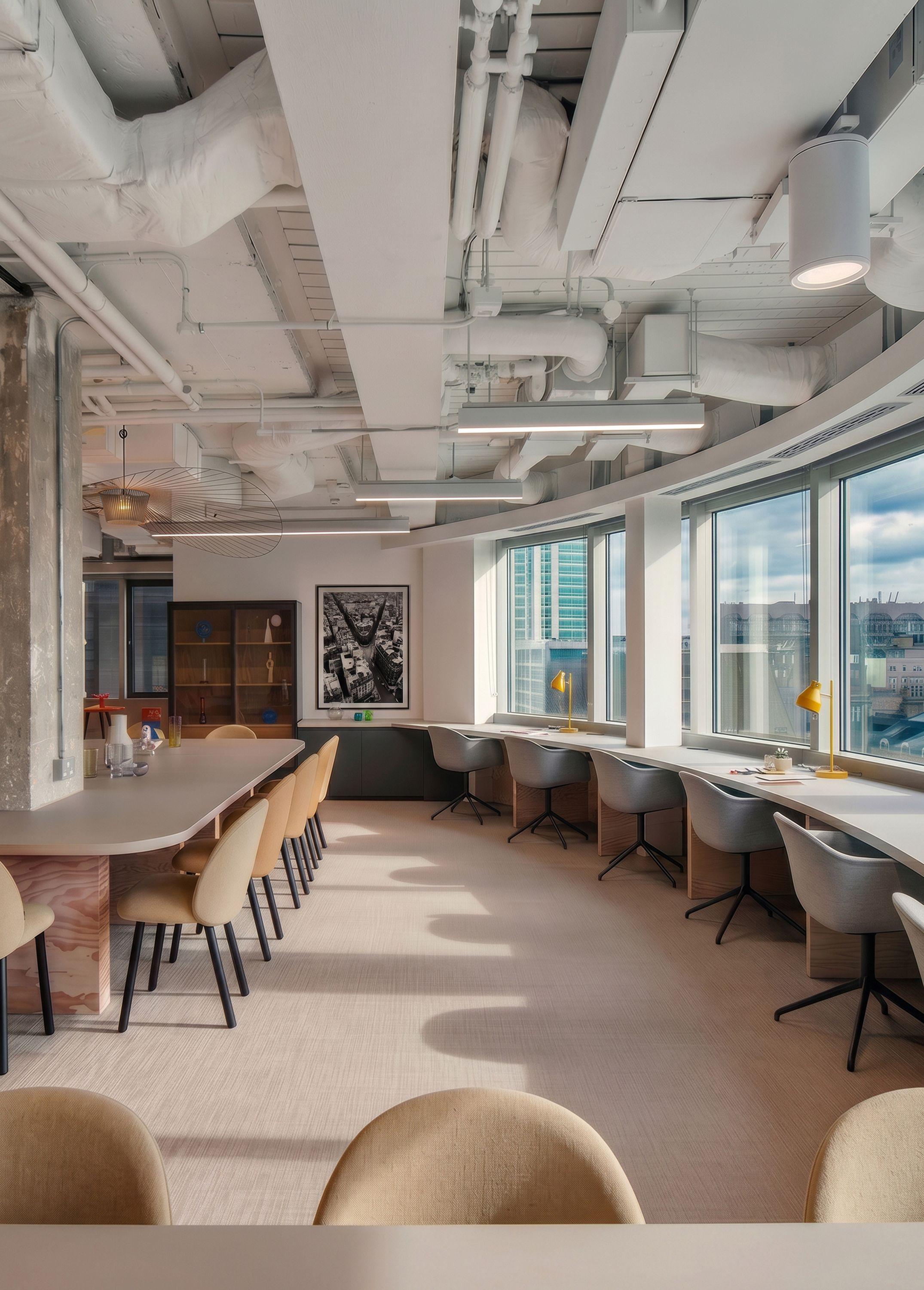
Tenant workplace fit-out contributes up to one third of a building's carbon over a forty-year lifecycle of forty years, and each cycle of refurbishment sends the last one to landfill. Faced with a returned fit-out only three years old, British Land commissioned Nex to change that cycle, refurbishing nine floors of workspace for 1,080 people, with views over Regent's Park, by reusing and remanufacturing the fit-out that was already in place. The brief also asked for a ground floor that included better air quality, more planting, and space for social gathering in place of a formal reception.
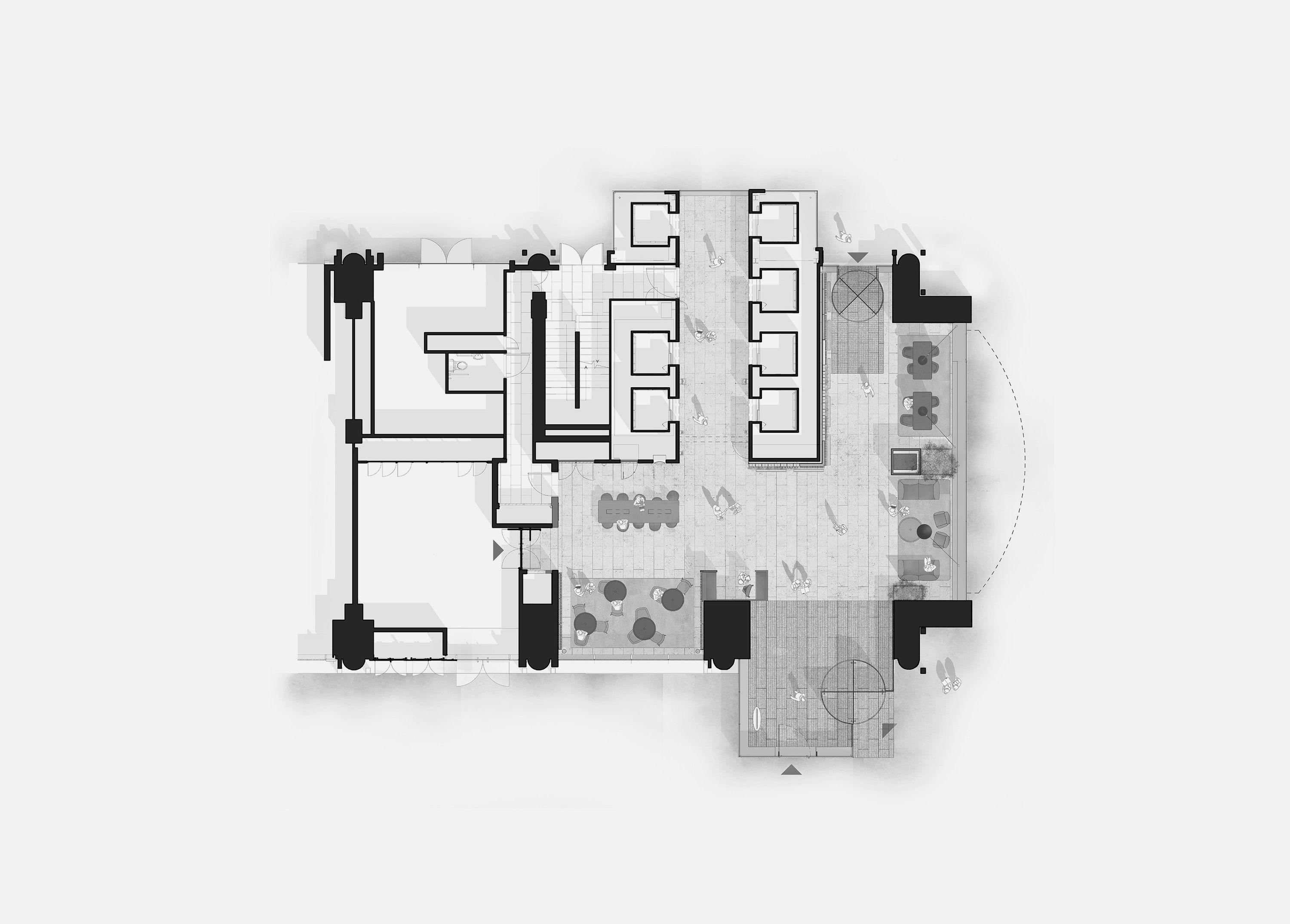
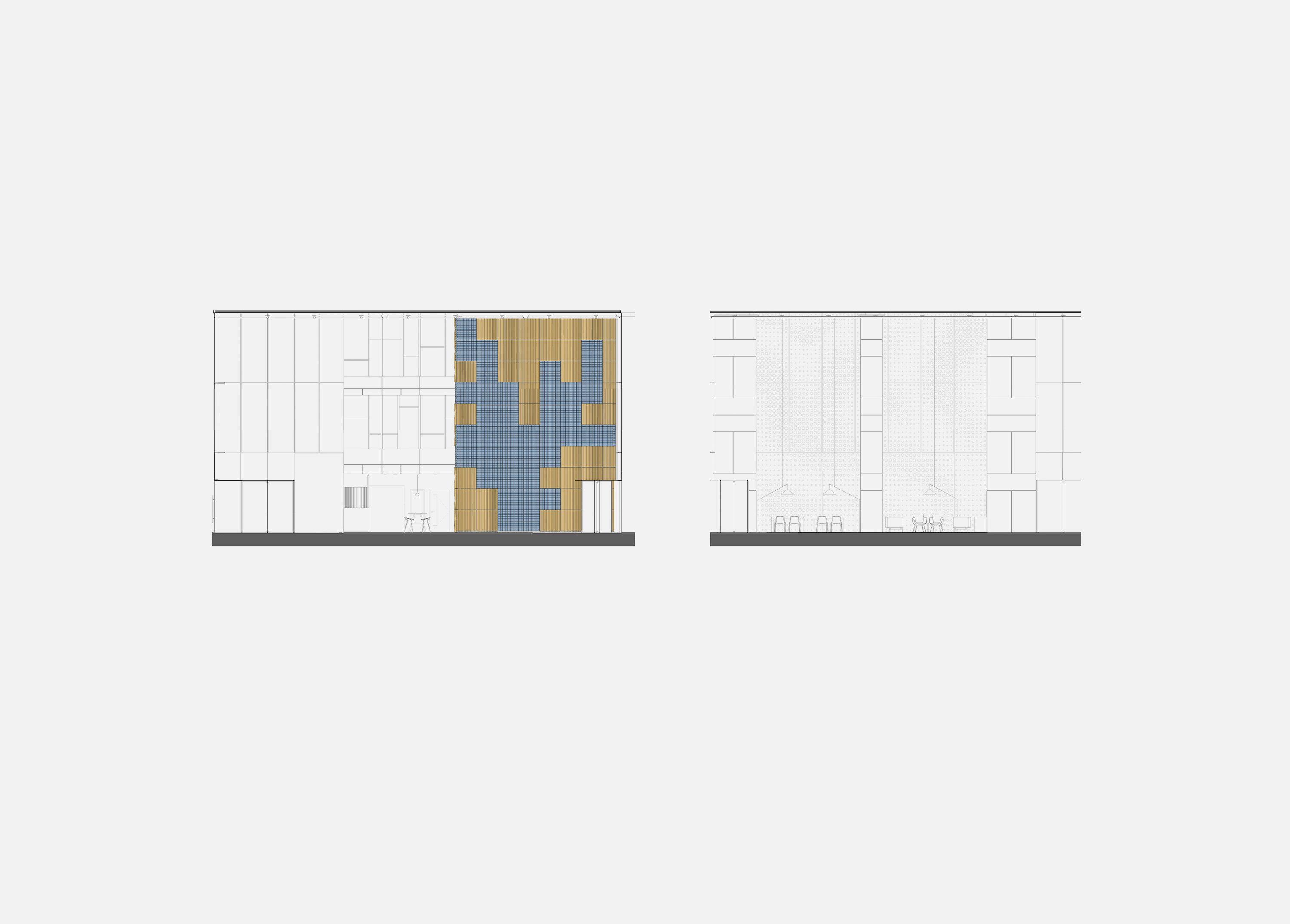
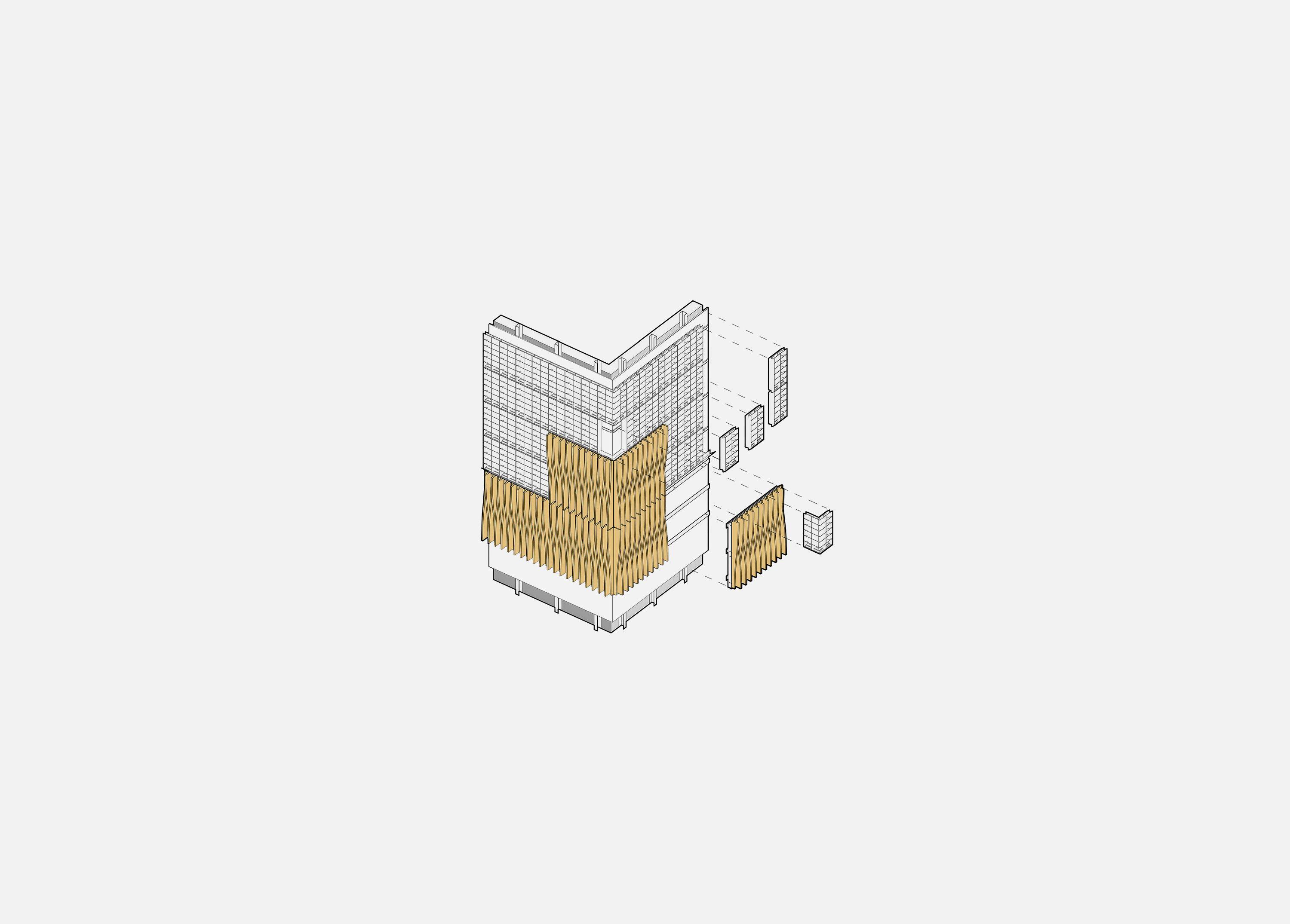
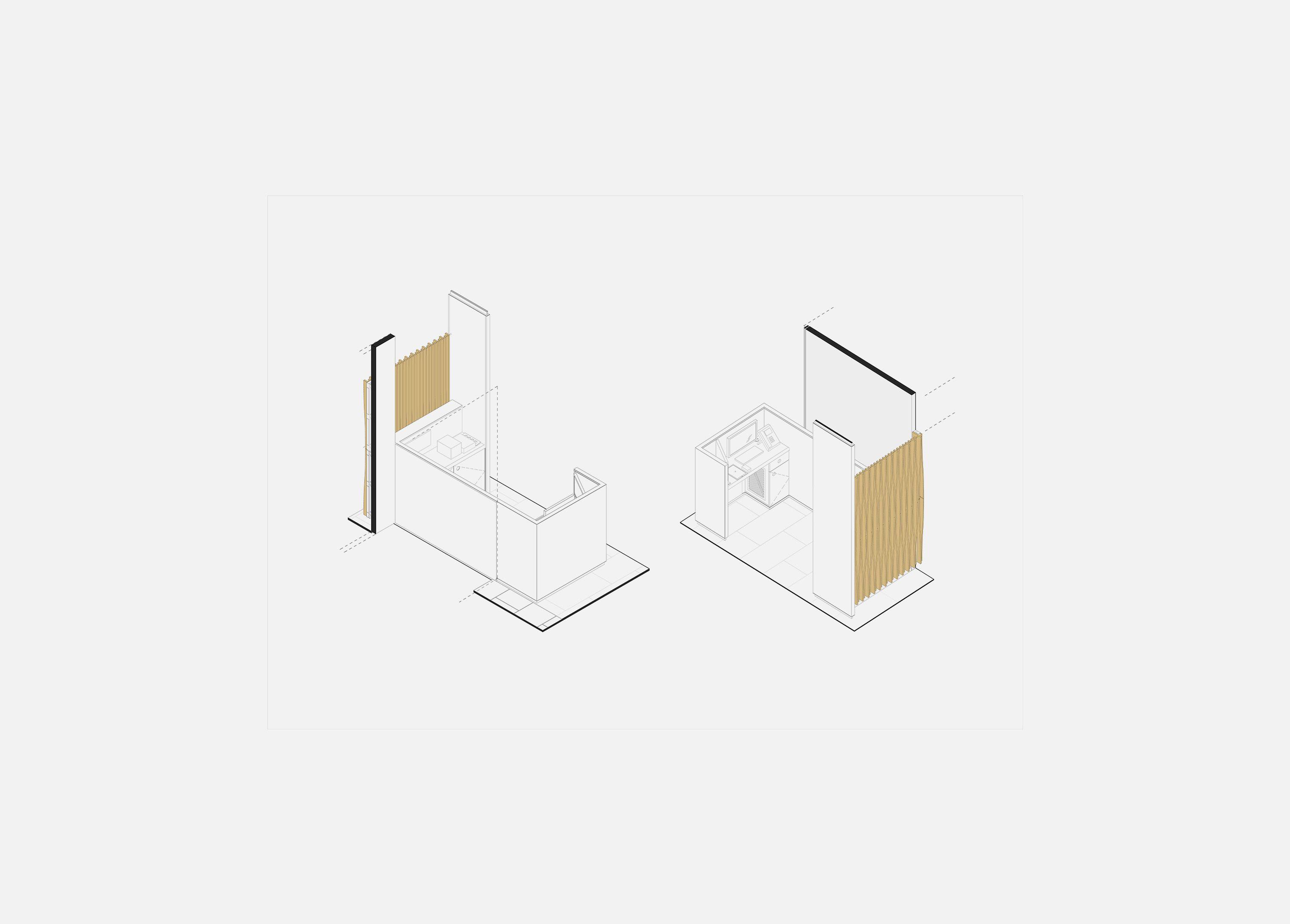
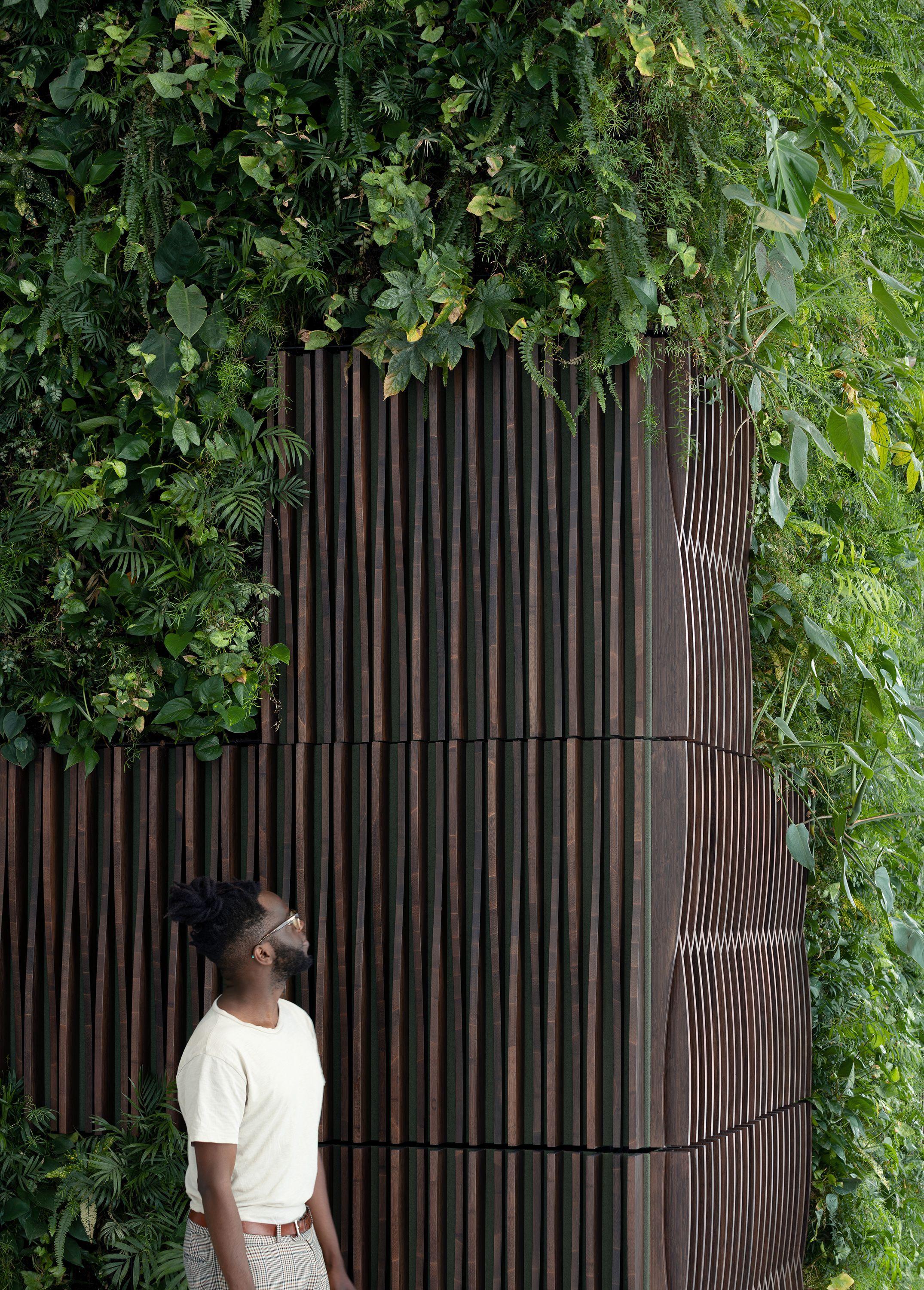
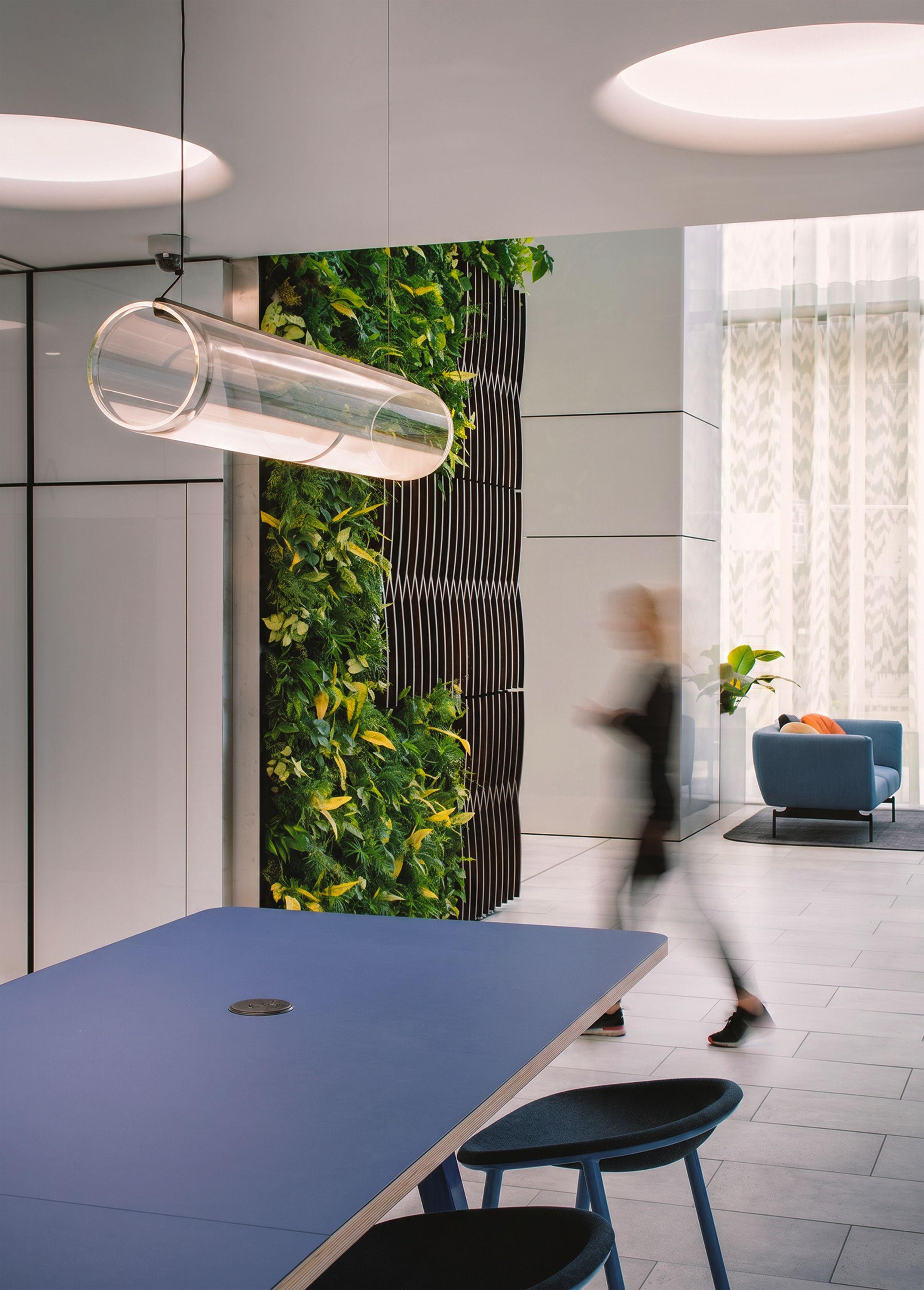
We removed the reception desks and security turnstiles, moved access control to the lifts, and replaced them with a concierge welcome, informal work settings, a café and a juice bar. Facing Euston Road, a living green wall rises ten metres. Tropical planting is set between curved bamboo acoustic panels; its 38 plant species were drawn from research into indoor air quality. Behind the three-storey south-facing glass wall, a woven curtain gives solar shading and privacy from the road.
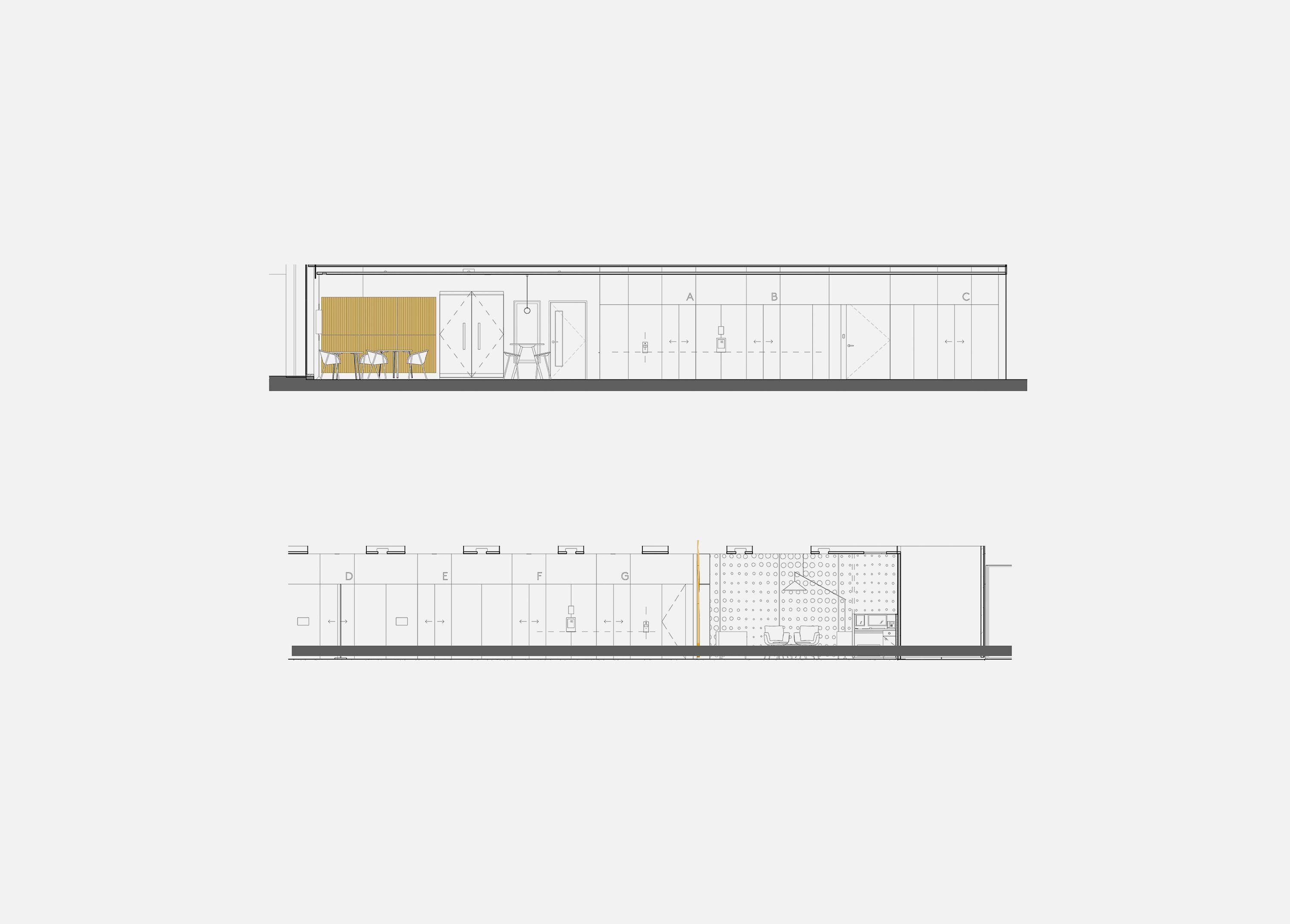
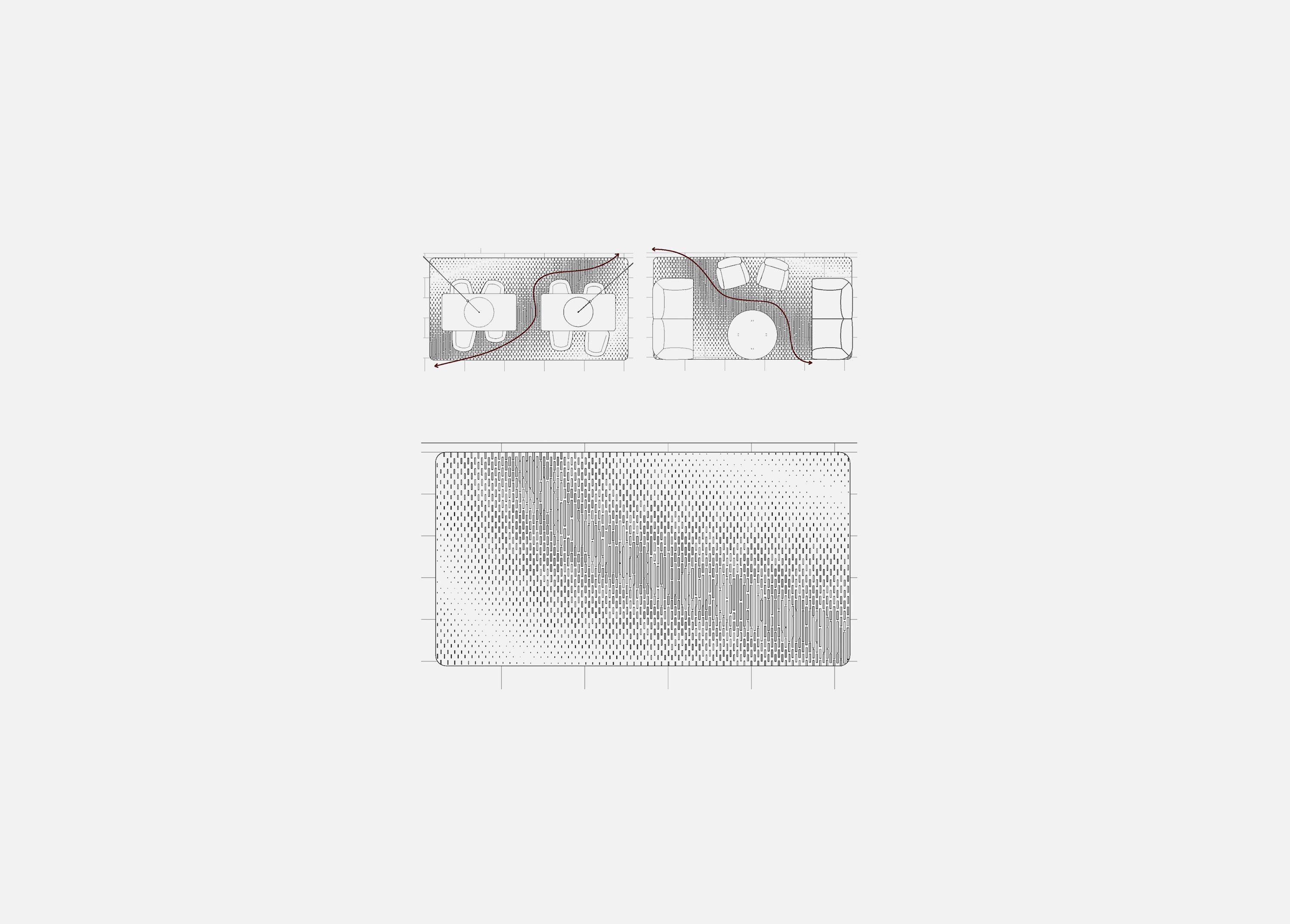
A coppice is cut and grows again from its own root, and the project takes its name from that idea. The inherited Douglas fir fit-out was remade into fitted kitchens, work desks, joinery and furniture, all stained with transparent white oil, and mechanical and electrical equipment was reused throughout the workspace floors. Over three-quarters of the breakout and meeting room furniture was remanufactured, loose desks and task chairs were fully refurbished, chairs seats are made from recycled PET bottles, and new carpets woven from recycled material are laid over the existing porcelain tiles. Bamboo runs up through the lobby wall, fast-growing, with a carbon-negative production path.
Post-completion analysis on this project for the University of Cambridge Institute for Sustainability Leadership found that 70 per cent of the embodied carbon in the inherited fit-out was reused, against 25 per cent in a traditional Cat A refurbishment, a saving equal to 2.4 years of the building's operational energy. Waste leaving the site fell by a third too. New tenants move into a fully equipped workplace made largely from the fit-out it replaces.