Times Eureka Pavilion
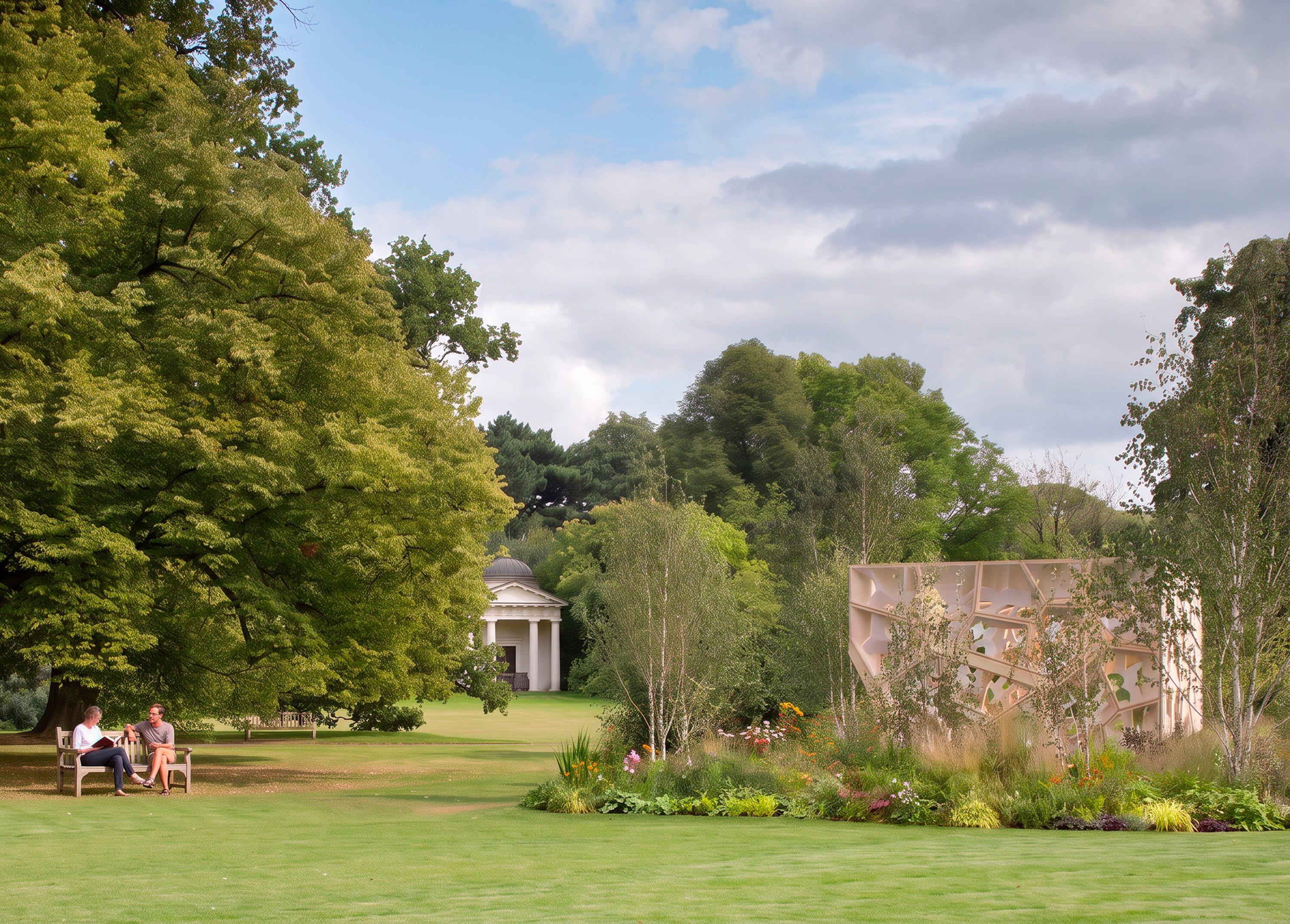
A pavilion for The Times and the Royal Botanic Gardens, Kew, designed with Marcus Barnett, using an algorithm derived from leaf growth to generate a digitally fabricated timber structure.
James Harding, Editor, The Times, London“We greatly appreciated your expertise in creating a unique central pavilion for the garden. Your meticulous attention to detail in pulling so many elements together made the project a thoroughly rewarding experience”
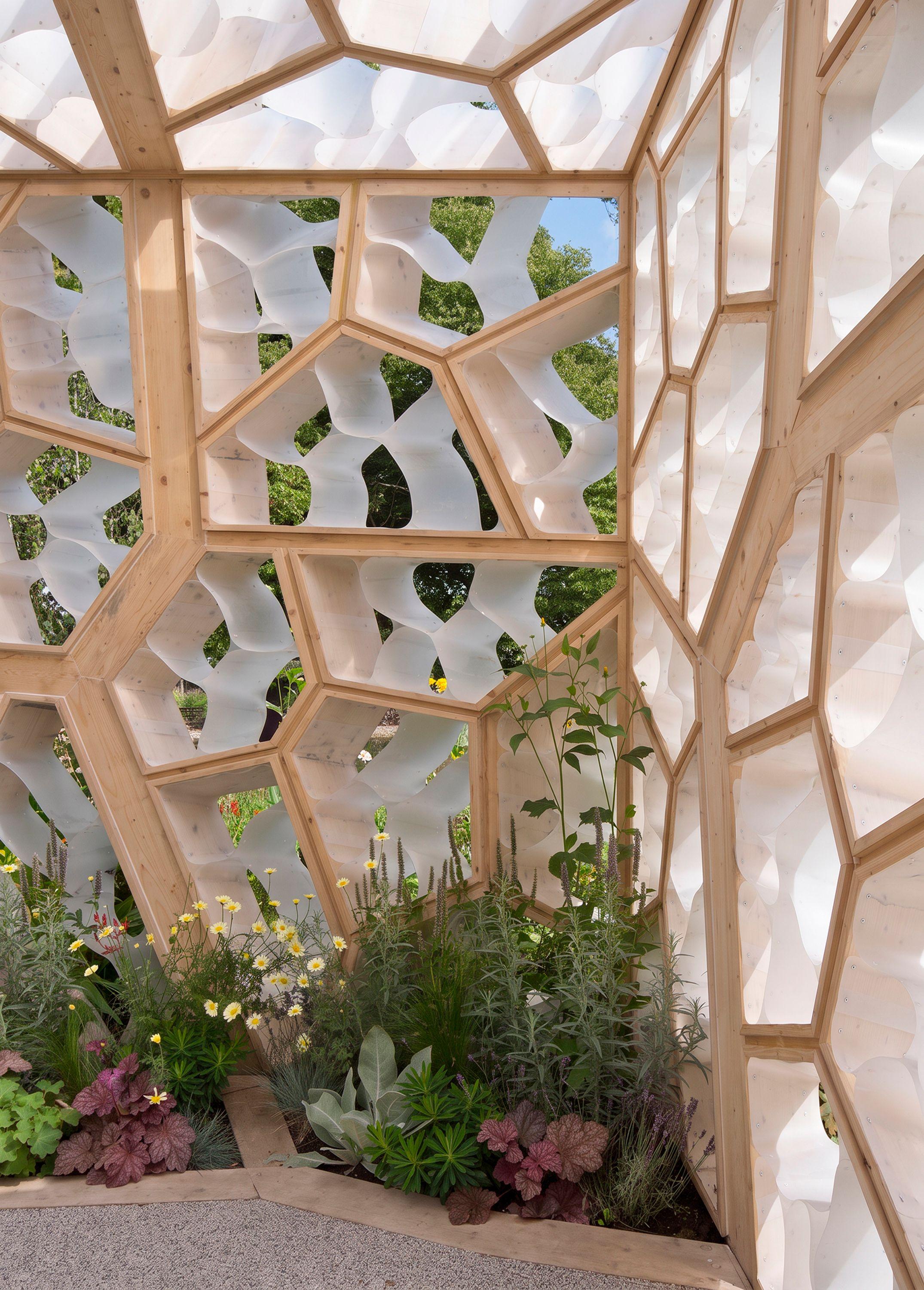
At the Chelsea Flower Show, a garden and pavilion commissioned by The Times in association with the Royal Botanic Gardens, Kew, explored the fundamental importance of plants to humanity. Marcus Barnett's planting scheme chose species for their medicinal, commercial and industrial value to society. The pavilion was asked to evoke the same theme. If the garden showed what plants can do for us, the building could show how plants are made.
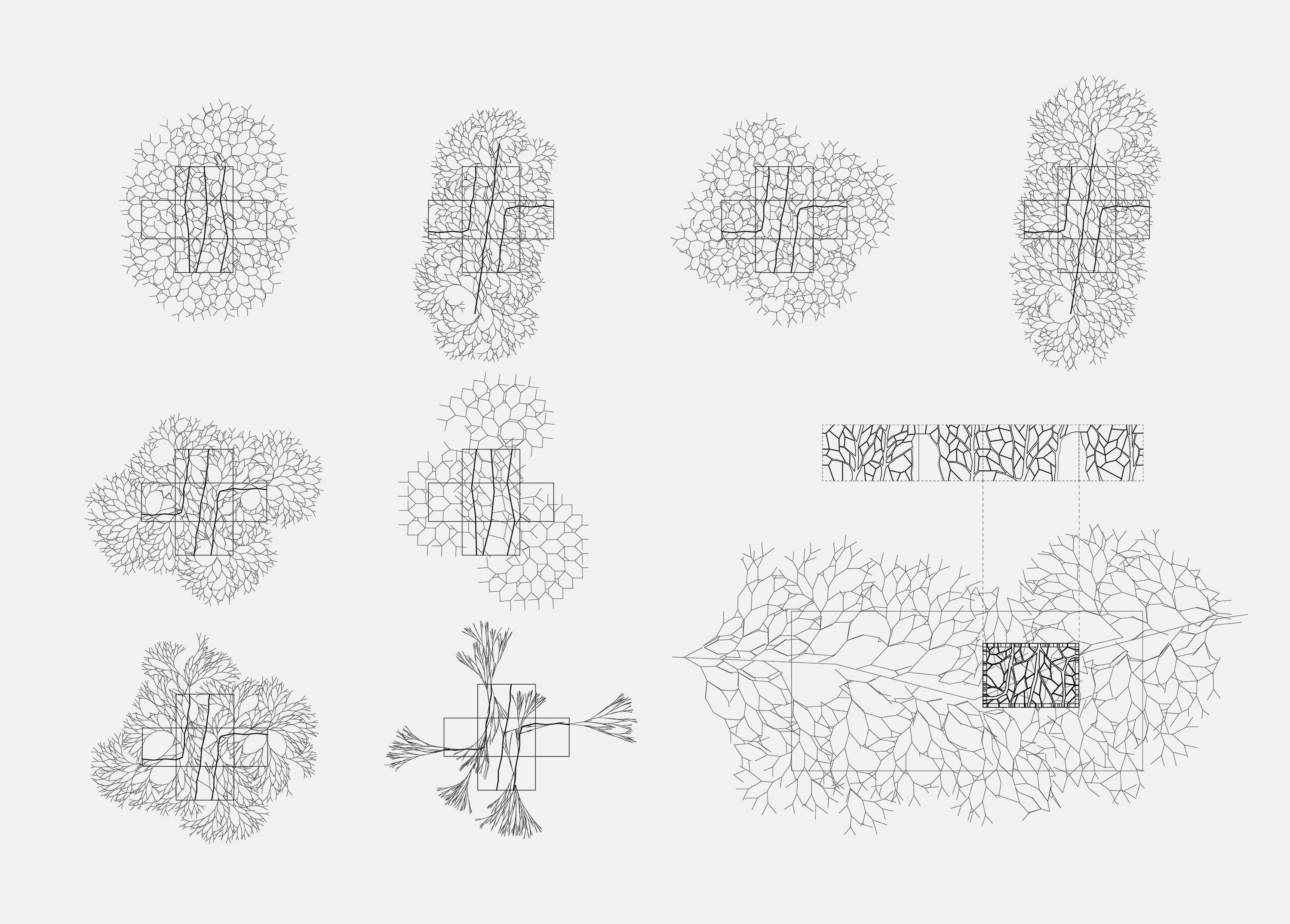
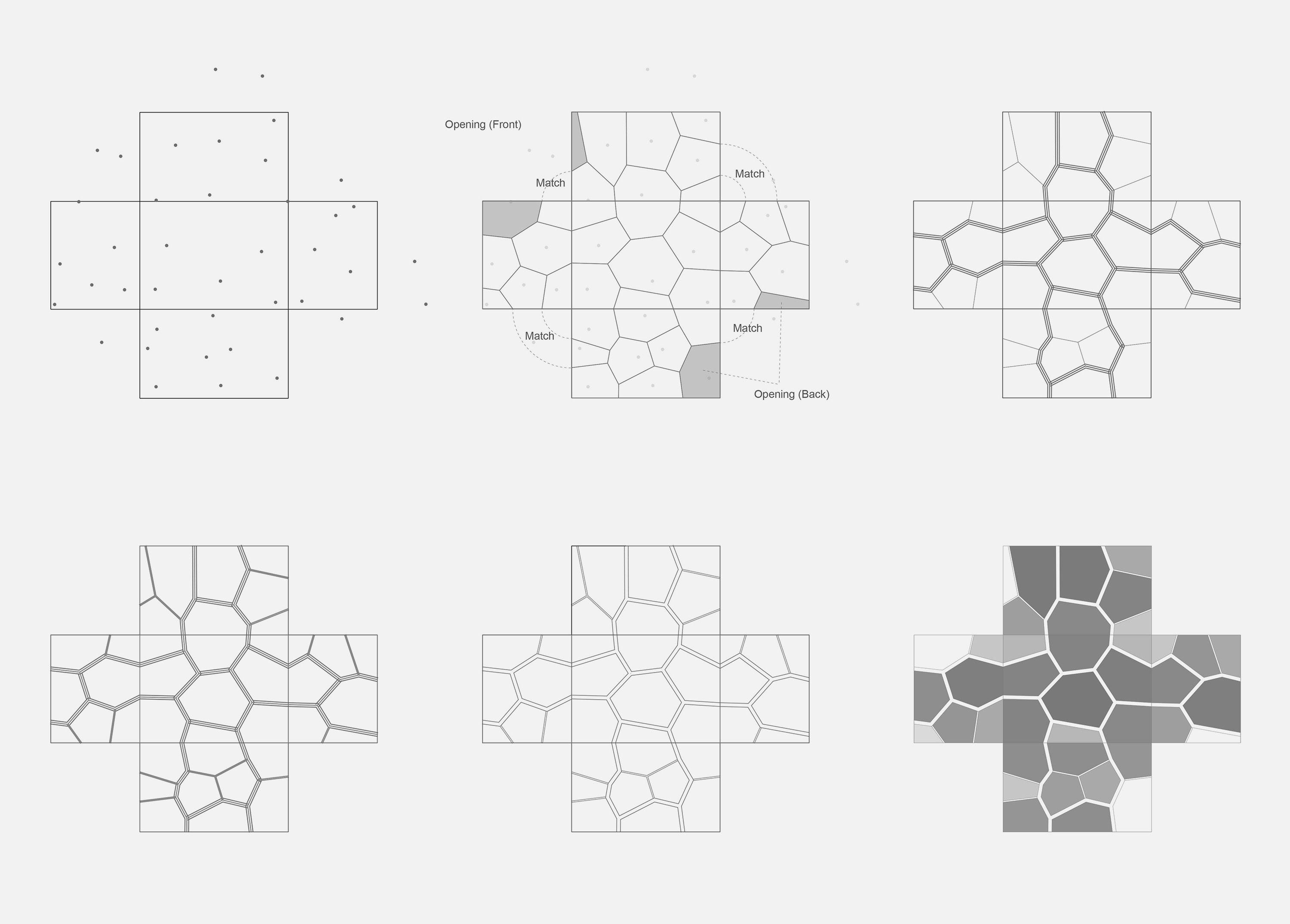
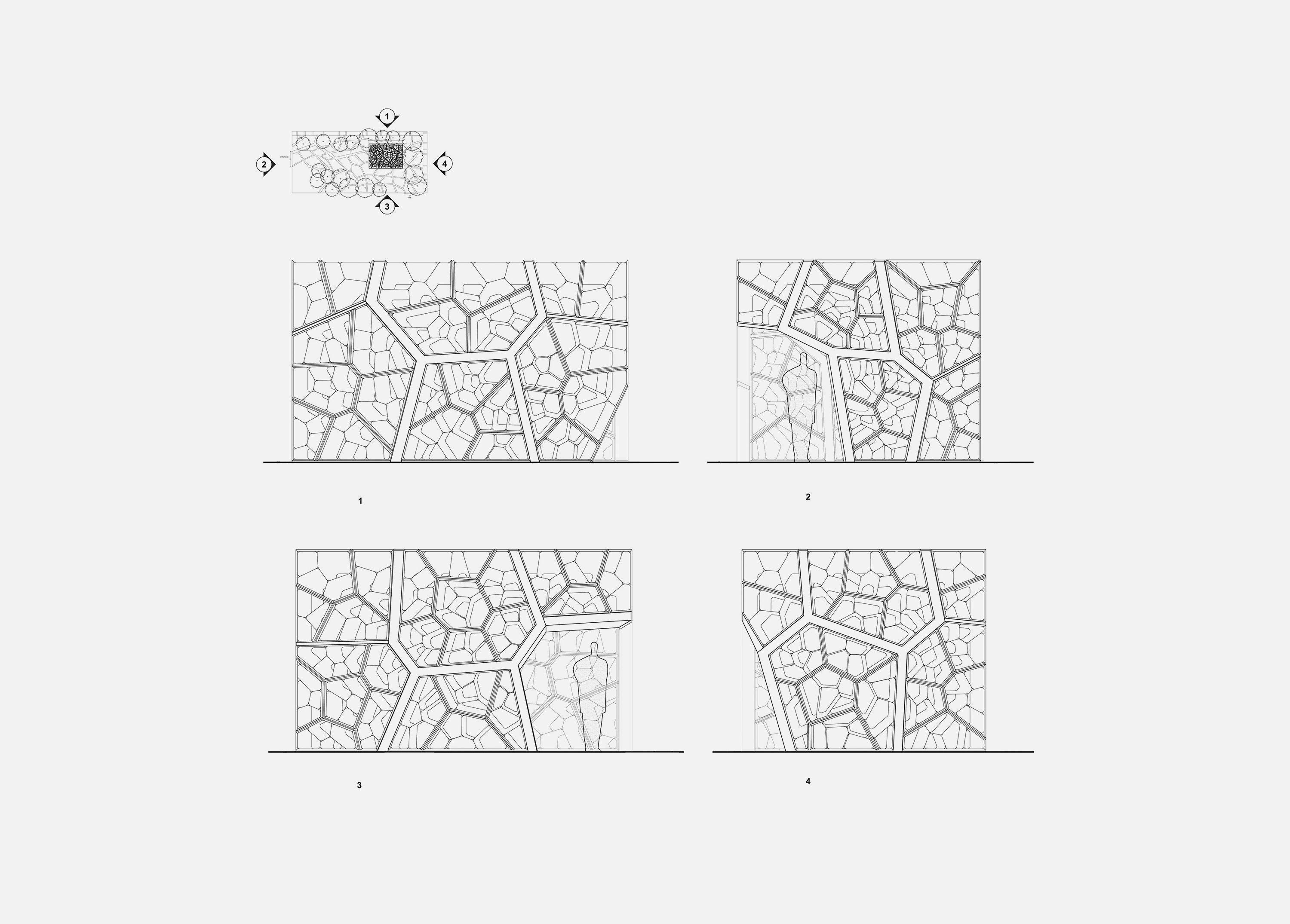
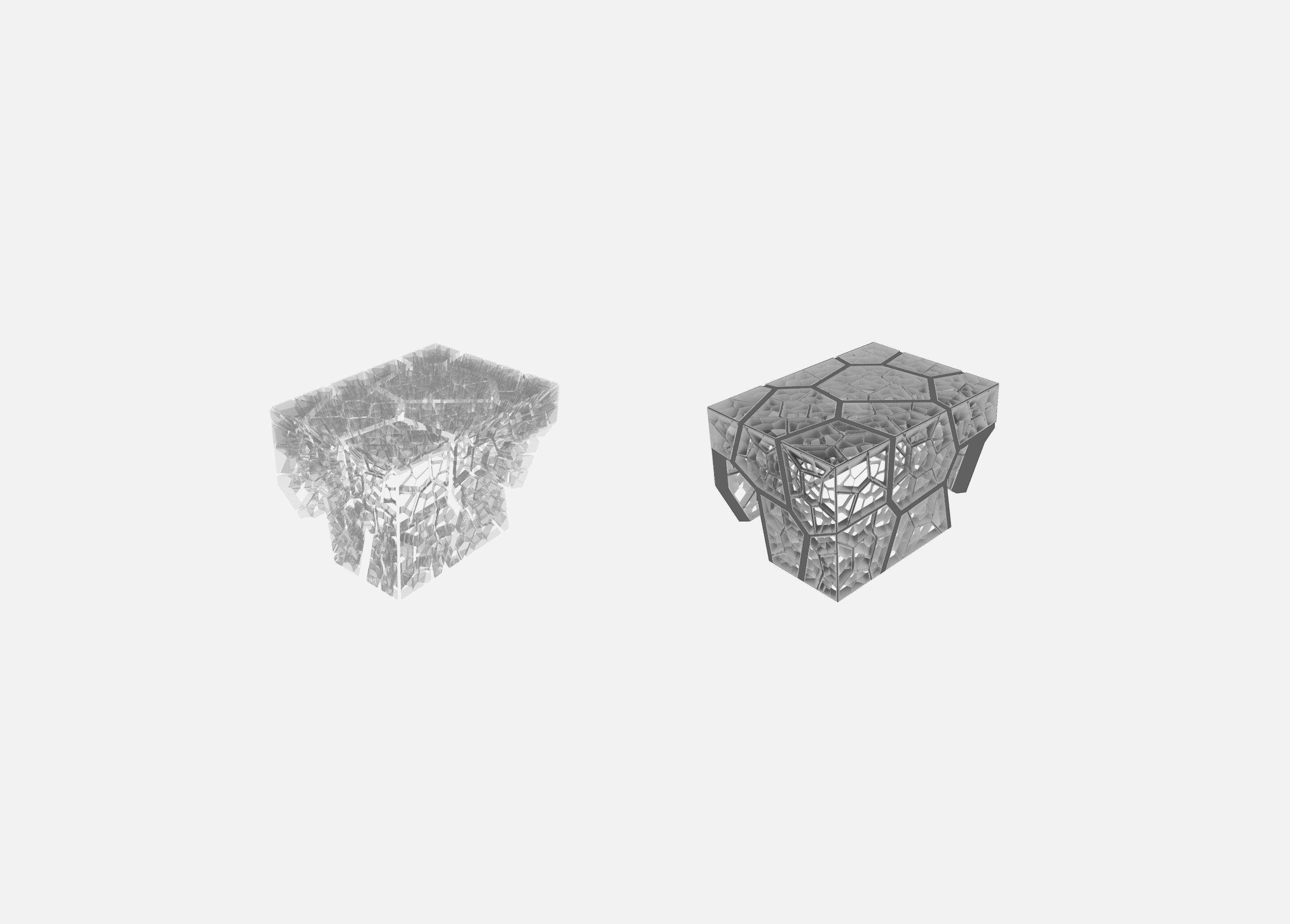
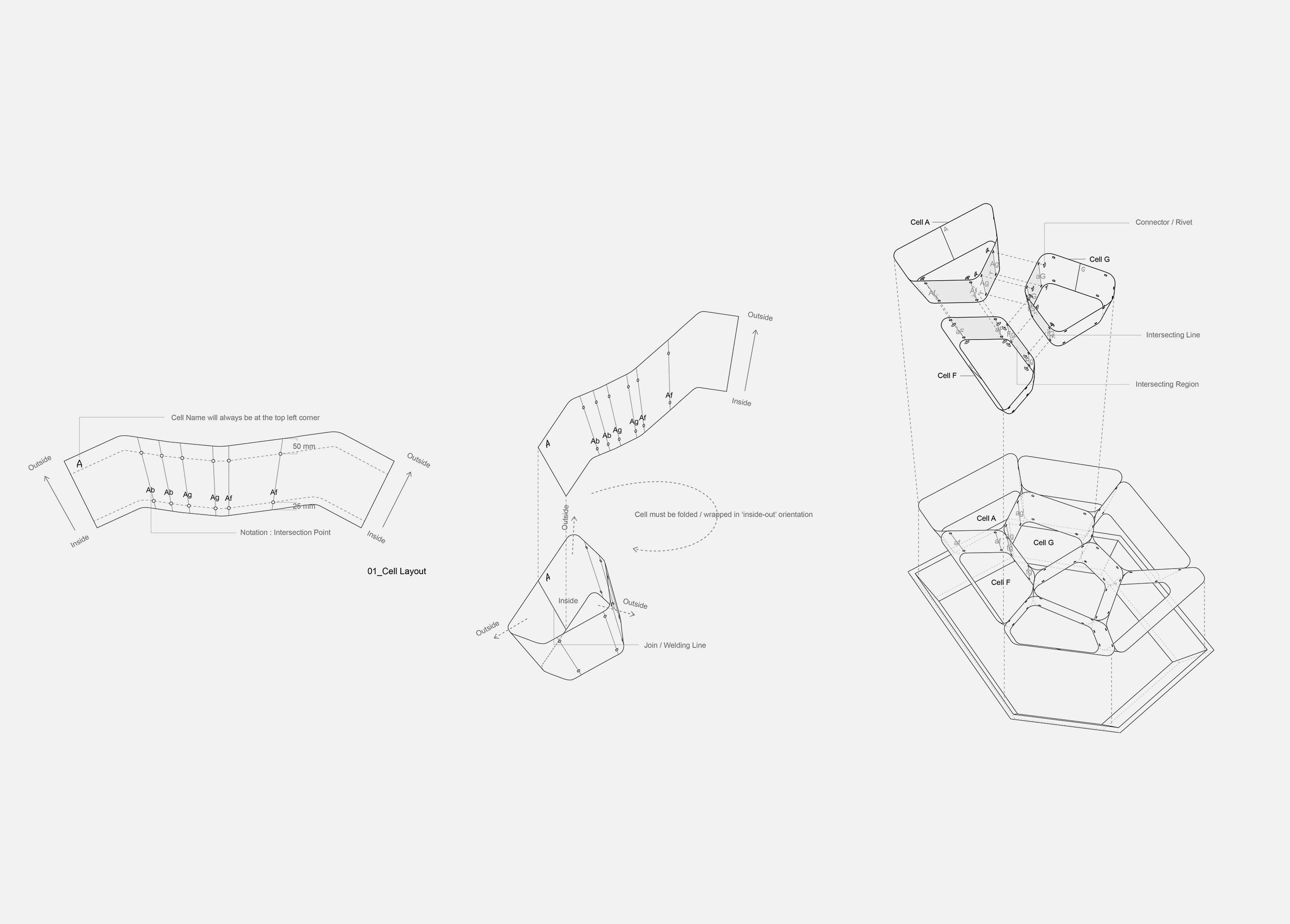
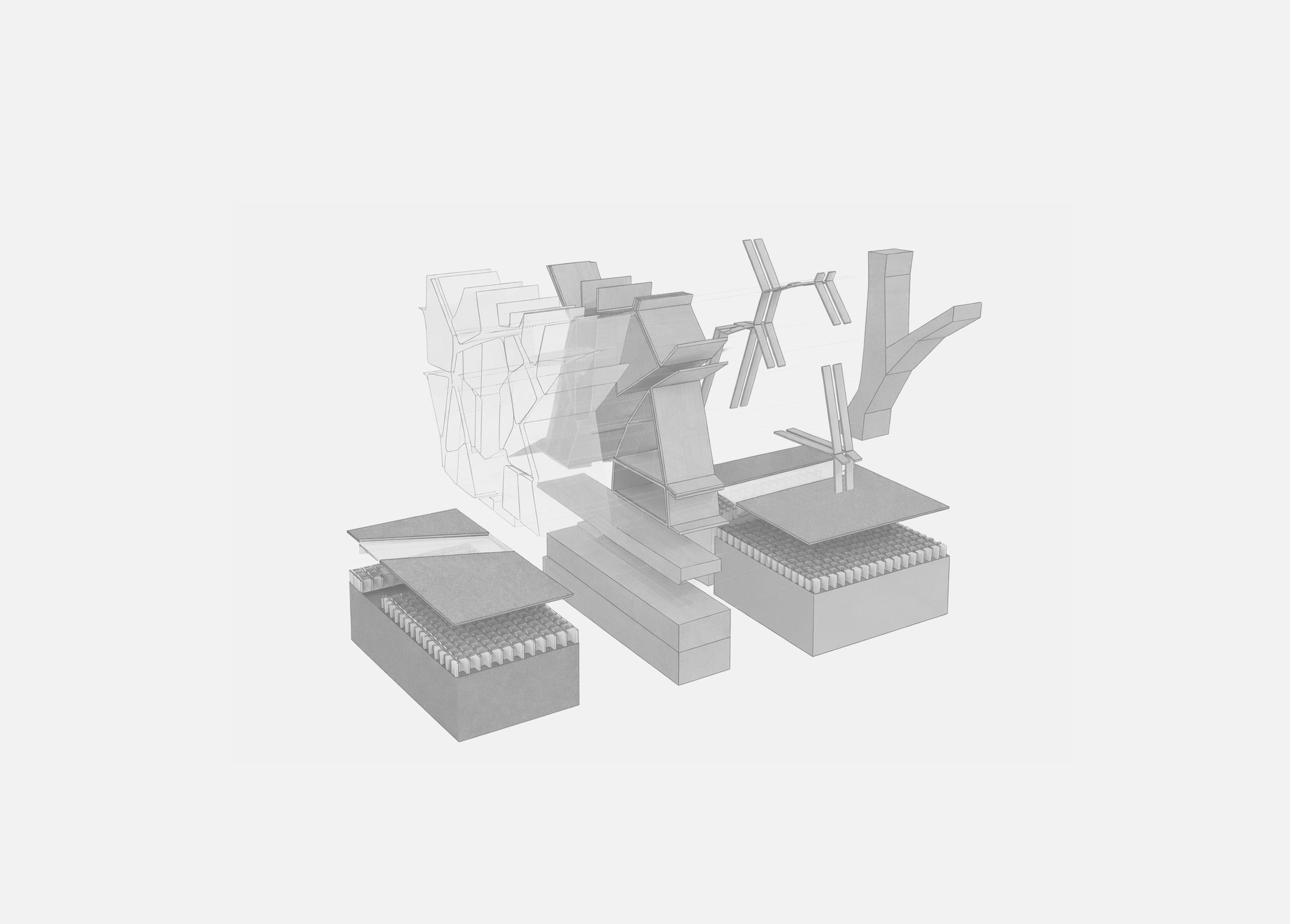
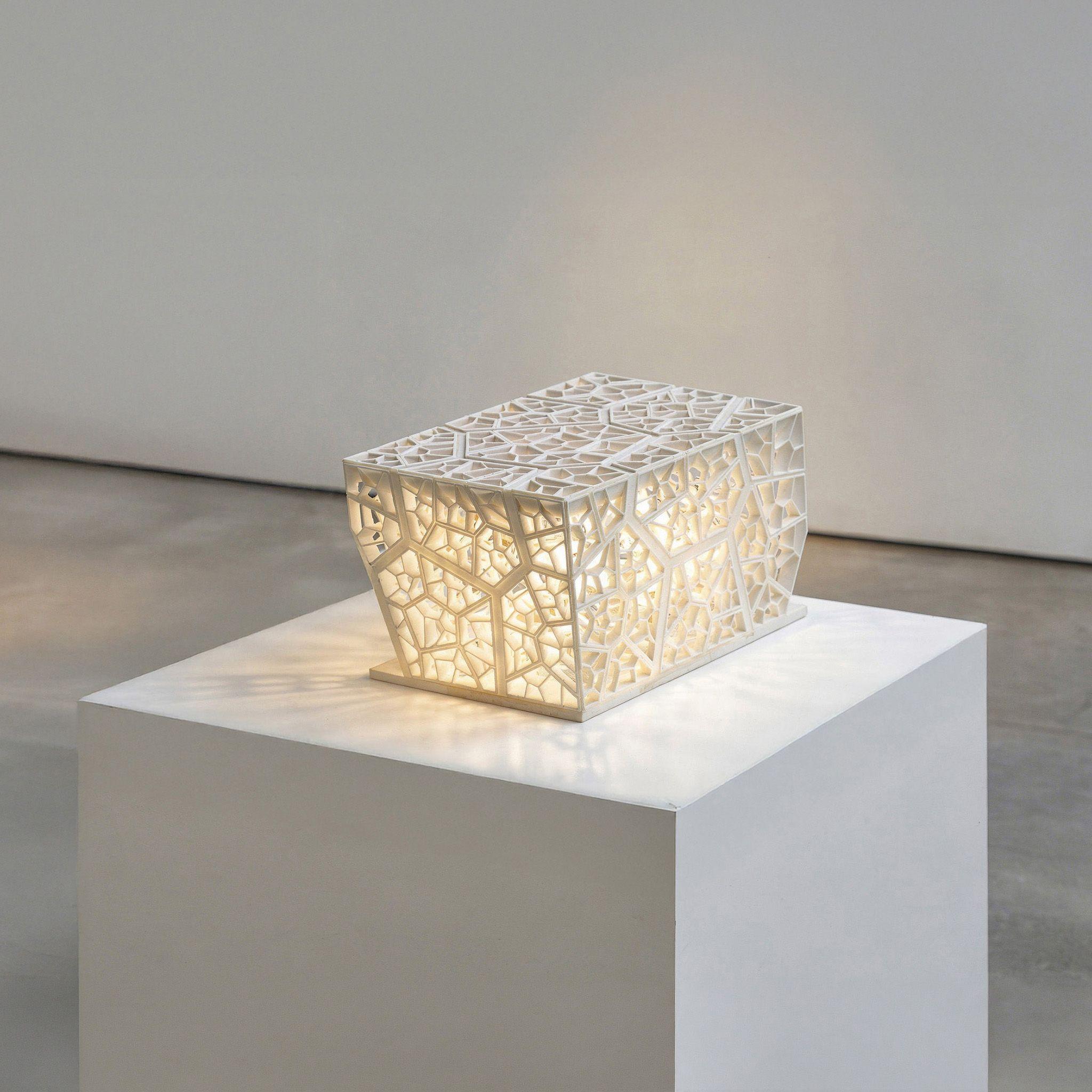
The design began with the cellular structure of leaves and the processes by which they grow. A growth algorithm generates the hierarchy of structural members and smaller infill cells, so the pattern of the walls is the record of a growth process rendered in timber. Primary capillaries of spruce give the pavilion its structure; secondary timber cassettes sit within them, holding cells of recycled bioplastic that filter views out to the garden. Rainwater runs from the roof down the same capillaries into the ground.
Fabricators digitally manufactured the structure from sustainably sourced spruce, and the pavilion sits on a temporary raft foundation of spruce beams ballasted with sand. After Chelsea, the garden and pavilion moved to Kew for the summer and autumn, and close to a million people are estimated to have visited across the residency. At the end of its public life, the timber was chipped for mulch in Kew's planting beds.